
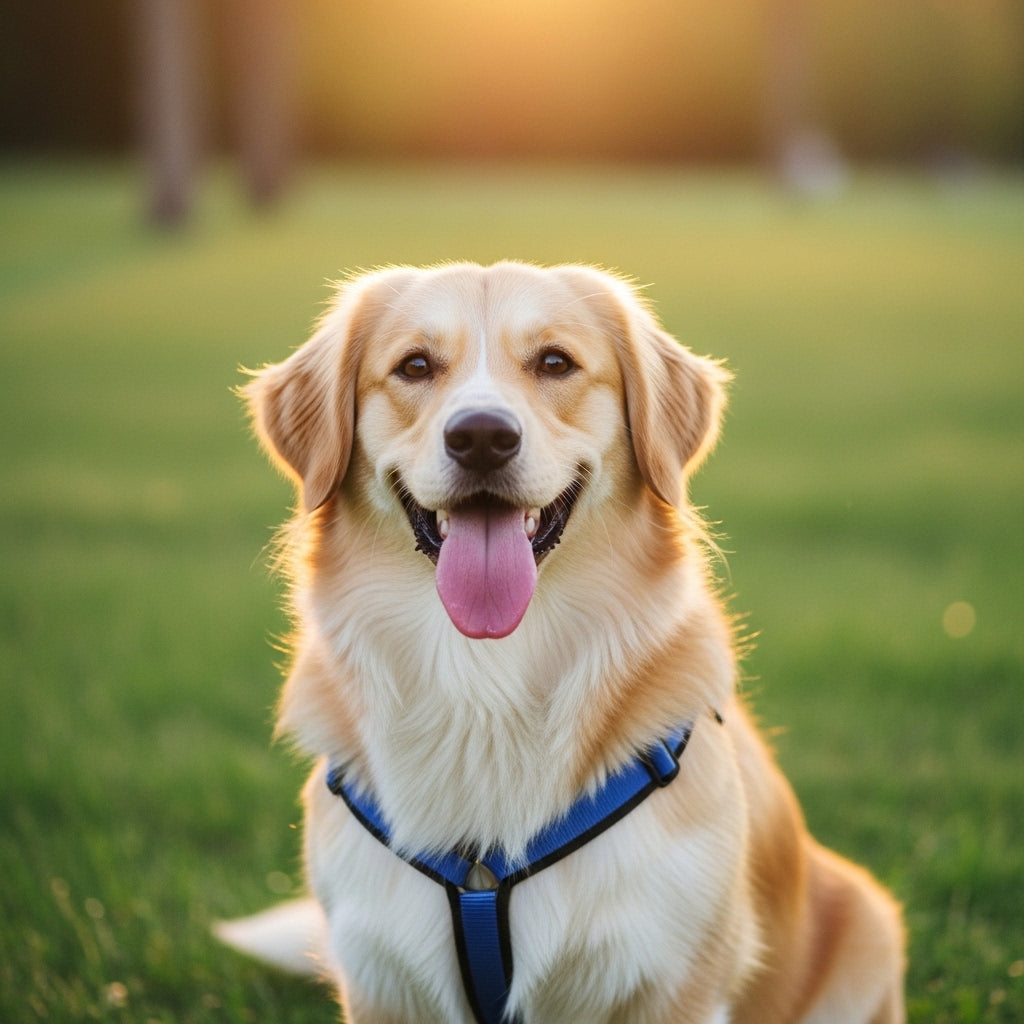
Bringing a dog into your home is one of life's most rewarding experiences. Whether you've adopted a playful puppy or a mature rescue, understanding the fundamentals of dog care ensures your new companion lives a happy, healthy life. Let's cover the essentials every new dog owner needs to know.
1. Nutrition: Quality Over Quantity
Not all dog food is created equal. Check the ingredient list—real meat should be the first ingredient, not corn or by-products. Puppies need food formulated for growth, while adult dogs require maintenance formulas. Senior dogs benefit from specialized diets for aging joints and metabolism.
Feeding guidelines:
- Puppies (under 6 months): 3-4 meals daily
- Adult dogs: 2 meals daily
- Avoid table scraps—many human foods are toxic to dogs
Never feed your dog chocolate, grapes, onions, garlic, or xylitol (artificial sweetener). These can be fatal. Always provide fresh, clean water.
2. Exercise: More Than Just Physical Health
Dogs need daily exercise, but the amount varies by breed. High-energy breeds like Border Collies need 2+ hours daily, while smaller or older dogs might only need 30-60 minutes.
Exercise isn't just about burning energy—it's mental stimulation that prevents destructive behaviors like chewing furniture or excessive barking. Mix up your routine with walks, fetch, swimming, or agility training to keep things interesting.
3. Training: Start Immediately
Training begins the moment your dog comes home. Basic commands every dog should know:
- Sit: Foundation for all other commands
- Stay: Keeps your dog safe in dangerous situations
- Come: Essential for off-leash reliability
- Down: Helps calm excited dogs
- Leave it: Prevents eating dangerous objects
Use positive reinforcement—reward good behavior with treats, praise, or play. Never use physical punishment, which damages trust and can create aggression. Consistency is key—everyone in your household should use the same commands.
Consider puppy classes or professional trainers, especially for first-time owners. The investment pays off with a well-behaved companion.
4. Socialization: The Critical Window
Puppies have a socialization window between 3-14 weeks where they're most receptive to new experiences. Expose them to different people, dogs, sounds, surfaces, and environments during this time.
Proper socialization prevents fear-based aggression and anxiety later in life. Even adult rescue dogs benefit from gradual, positive exposure to new situations.
Always supervise interactions with children and other pets until you're confident in your dog's behavior.
5. Grooming: Beyond Looking Good
Regular grooming isn't vanity—it's healthcare. Brushing removes dead hair, distributes natural oils, and lets you check for lumps, ticks, or skin issues.
Grooming schedule:
- Brushing: Daily for long-haired breeds, weekly for short-haired
- Bathing: Every 4-8 weeks (too frequent strips natural oils)
- Nail trimming: Every 2-4 weeks
- Teeth brushing: Daily (prevents dental disease)
- Ear cleaning: Weekly for floppy-eared breeds
Start grooming routines early so your dog accepts handling. Make it positive with treats and praise.
6. Healthcare: Prevention is Cheaper Than Treatment
Find a veterinarian before emergencies happen. Your dog needs:
- Vaccinations: Puppy series, then annual boosters
- Parasite prevention: Monthly heartworm, flea, and tick medication
- Spaying/neutering: Prevents health issues and unwanted litters
- Annual checkups: Catch problems early
- Dental cleanings: Every 1-2 years
Watch for warning signs: lethargy, loss of appetite, vomiting, diarrhea, excessive drinking, or behavior changes. When in doubt, call your vet.
7. Creating a Safe Environment
Dog-proof your home like you would for a toddler. Common hazards include:
- Electrical cords (chewing risk)
- Toxic houseplants (lilies, sago palms, azaleas)
- Small objects that can be swallowed
- Household cleaners and medications
- Open trash cans
Provide a designated space—a crate or bed—where your dog can retreat when overwhelmed. This becomes their safe zone.
8. Understanding Body Language
Dogs communicate constantly through body language. Learn to read the signs:
- Relaxed: Soft eyes, loose body, gently wagging tail
- Playful: Play bow (front down, rear up), bouncy movements
- Anxious: Whale eye (showing whites), tucked tail, yawning
- Aggressive: Stiff body, raised hackles, direct stare, growling
Never punish growling—it's a warning that prevents bites. If your dog growls, remove them from the situation and assess what triggered it.
9. The Power of Routine
Dogs thrive on predictability. Establish consistent schedules for:
- Feeding times
- Walk times
- Bathroom breaks
- Bedtime
Routines reduce anxiety and make house training easier. Puppies need bathroom breaks every 2-3 hours, after meals, and after waking up.
10. Common Mistakes to Avoid
Humanizing your dog: They're not small humans—they have different needs and communication styles.
Inconsistent rules: If your dog can't be on the couch today but can tomorrow, you're creating confusion.
Skipping exercise on busy days: A tired dog is a well-behaved dog. Make time even when life gets hectic.
Ignoring behavioral problems: Issues like separation anxiety or aggression worsen without intervention. Seek professional help early.

Leave a comment
This site is protected by hCaptcha and the hCaptcha Privacy Policy and Terms of Service apply.