
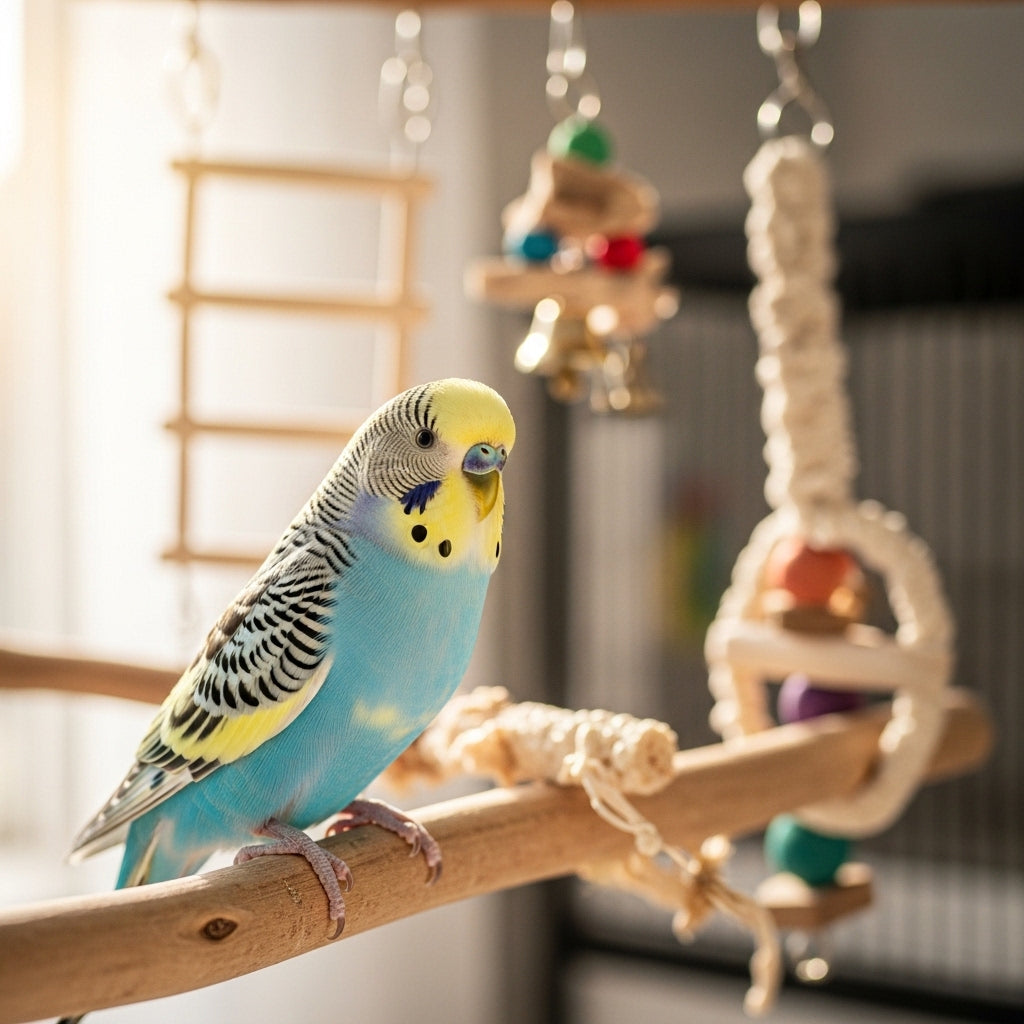
Thinking about bringing a feathered friend into your home? Birds make incredible pets with their vibrant personalities and beautiful songs, but they need specific care to thrive. Here are 10 essential tips to help you get started on the right foot.
1. Size Your Cage Properly
Don't fall for tiny cages at the pet store. Your bird needs space to move, stretch their wings, and hop between perches. As a rule of thumb, the cage should be at least twice your bird's wingspan in width and depth. Bigger is always better—think of it as their apartment, not just a holding cell.
2. Seeds Alone Won't Cut It
Many beginners think an all-seed diet is fine, but that's like eating nothing but chips. Birds need a varied diet including pellets, fresh vegetables, fruits, and occasional treats. Leafy greens, carrots, and berries are excellent choices. Avoid avocado, chocolate, and salt—these are toxic to birds.
3. Daily Social Time is Non-Negotiable
Birds are incredibly social creatures. They need at least 2-3 hours of interaction outside their cage daily. Talk to them, play with them, or simply let them perch nearby while you work. A lonely bird can develop behavioral problems like feather plucking and excessive screaming.
4. Variety in Perches Prevents Foot Problems
Don't use just one type of perch. Different diameters and textures (natural wood, rope, cement) exercise your bird's feet and prevent arthritis and bumblefoot. Position perches at varying heights to encourage climbing and movement.
5. Choose Toys Carefully
Birds need mental stimulation, but not all toys are safe. Look for toys made from bird-safe materials like untreated wood, vegetable-dyed leather, and stainless steel. Avoid anything with small parts that could be swallowed or strings that might tangle around feet or necks. Rotate toys weekly to keep things interesting.
6. Temperature Matters
Most pet birds are comfortable between 65-80°F (18-27°C). Avoid placing cages near windows with direct sunlight, air conditioning vents, or drafty areas. Sudden temperature changes can stress your bird and lead to illness.
7. Establish a Cleaning Routine
Bird cages need daily spot cleaning (remove droppings and food debris) and weekly deep cleaning (wash all surfaces, perches, and toys). Fresh water should be provided twice daily. A clean environment prevents bacterial growth and keeps your bird healthy.
8. Annual Vet Checkups Are Essential
Find an avian veterinarian before you need one. Birds hide illness incredibly well as a survival instinct, so by the time symptoms show, they're often seriously sick. Annual checkups catch problems early and establish baseline health records.
9. Learn Their Body Language
Birds communicate constantly through posture and movement. Fluffed feathers can mean contentment or illness. Pinned eyes show excitement. A lowered head might be requesting scratches. Spend time observing your bird to understand their unique signals and moods.
10. Avoid These Common Mistakes
Never use non-stick cookware (Teflon) around birds—the fumes are deadly. Don't place cages in kitchens where cooking fumes accumulate. Avoid scented candles, air fresheners, and cleaning products near your bird. Their respiratory systems are extremely sensitive.

Leave a comment
This site is protected by hCaptcha and the hCaptcha Privacy Policy and Terms of Service apply.